
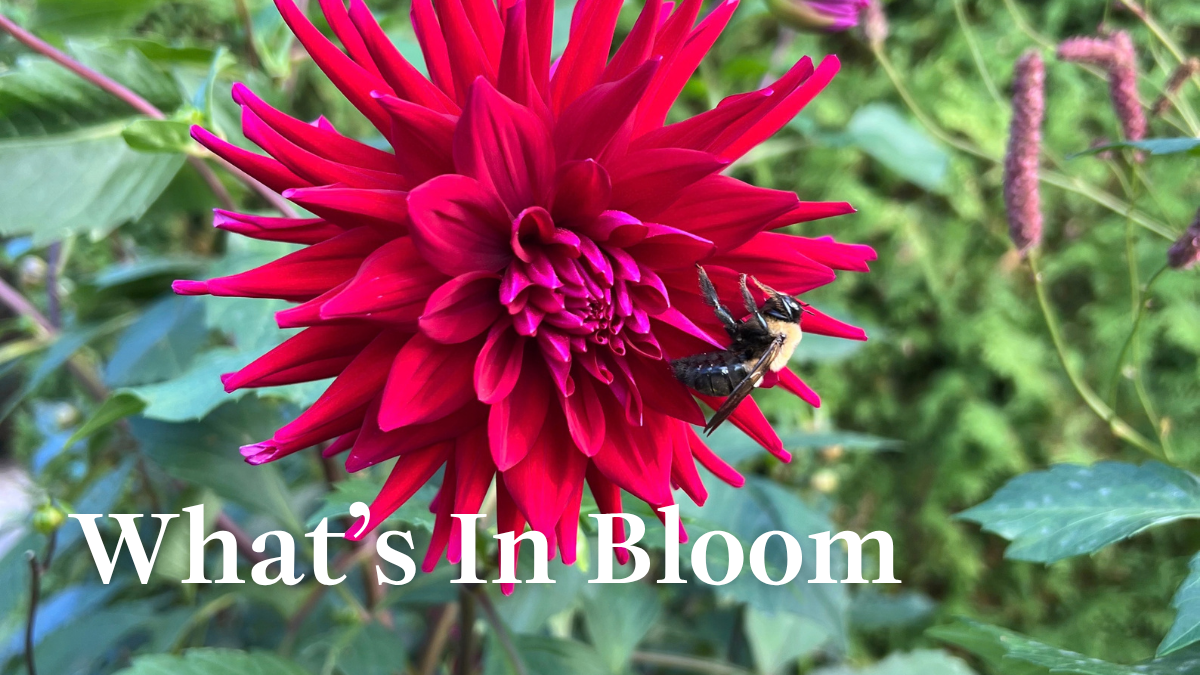
Dahlia ‘Juanita’ (pictured)
As we welcome fall and the changing of the season into our gardens, we bring you another installment of What’s In Bloom.
In many gardens, early fall is when annuals are at their peak. Every Zinnia, Marigold, and Dahlia is as tall and colorful as it will ever be in its annual lifecycle. Many native perennials, like Aster, Goldenrod, and Echinacea, are also in full bloom this time of year, bringing vibrant pops of color to our gardens.
It’s important to note that while these late-season flowers provide beautiful color, they are also supplying crucial nectar to migrating pollinators, such as hummingbirds and monarch butterflies. Late-season native plants also provide food and habitat to pollinators that overwinter in the Northeast, such as specialist bees, wasps, moths, and butterflies, all of which are integral in our food chain and help sustain local bird populations.
Planting with pollinators in mind is not only good for the environment, but it gives your garden additional life, creating a unique sensory experience that encompasses both sight and sound.
If you’ve been to Wethersfield, you know that our gardens are alive with bees, birds, butterflies, frogs, dragonflies (and sometimes just flies, which is not as fun, but unfortunately they are important), which is all due to our plant selection and continuous succession of blooms.
We invite you to make a garden reservation to see these blooms in person before we close for the season on October 18th.
Our What’s in Bloom Autumn edition is as follows:
- Asters
- New England Aster (Symphyotrichum novae-angliae)
- New England Aster ‘Alma Potscke’ (Symphyotrichum novae-angliae)
- Swamp Aster (Symphyotrichum puniceum)
- Old Field Aster (Symphyotrichum racemosum)
- Tall Marigold ‘Crackerjack Mix’ (Tagetes erecta)
- Deam’s coneflower (Rudbeckia fulgida var. deamii)
- Fleeceflower ‘Blackfield’ (Persicaria amplexicaulis)
- Rough Leaf Goldenrod (Solidago rugosa)
- Monkshood (Aconitum fischeri)
- Purple Coneflower (Echinacea purpurea)
- Zinnia elegans ‘Senorita’ and ‘Isabellina’
- Anise Hyssop ‘Blue Fortune’ (Agastache)
- Dahlias
- ‘Fatima’
- ‘Jowey Linda’
- ‘Zundert Mystery Fox’
- ‘American Dream’
- ‘Canby Crazy’
- ‘Juanita’
- ‘Hula’
- Hairy Alumroot (Heuchera villosa var. macrorhizza)
- Sedum ‘Autumn Joy’ (Sedum spectabile)
- Witch-Hazel (Hamamelis virginiana)
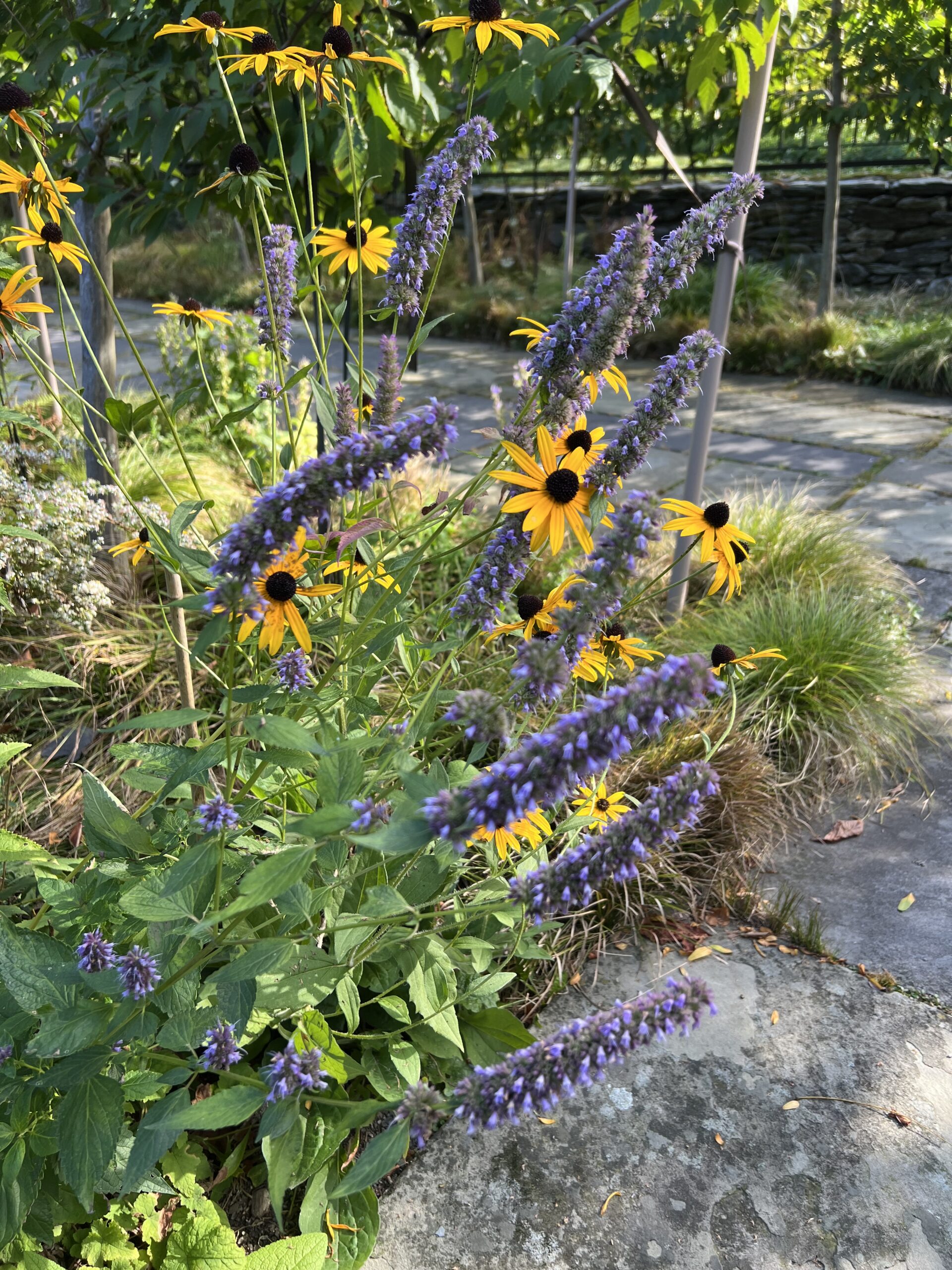
Agastache ‘Blue Fortune’ & Deam’s Coneflower
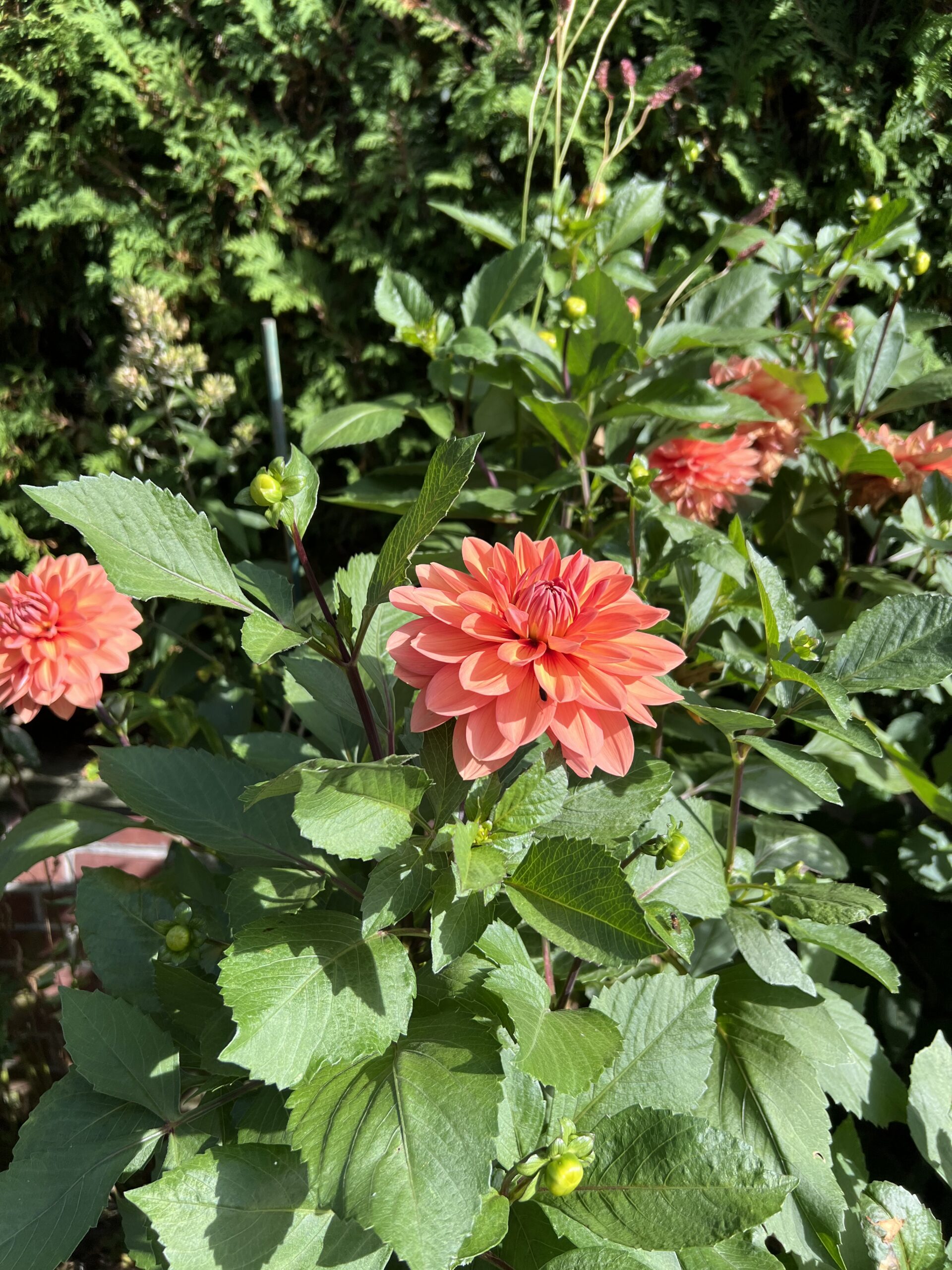
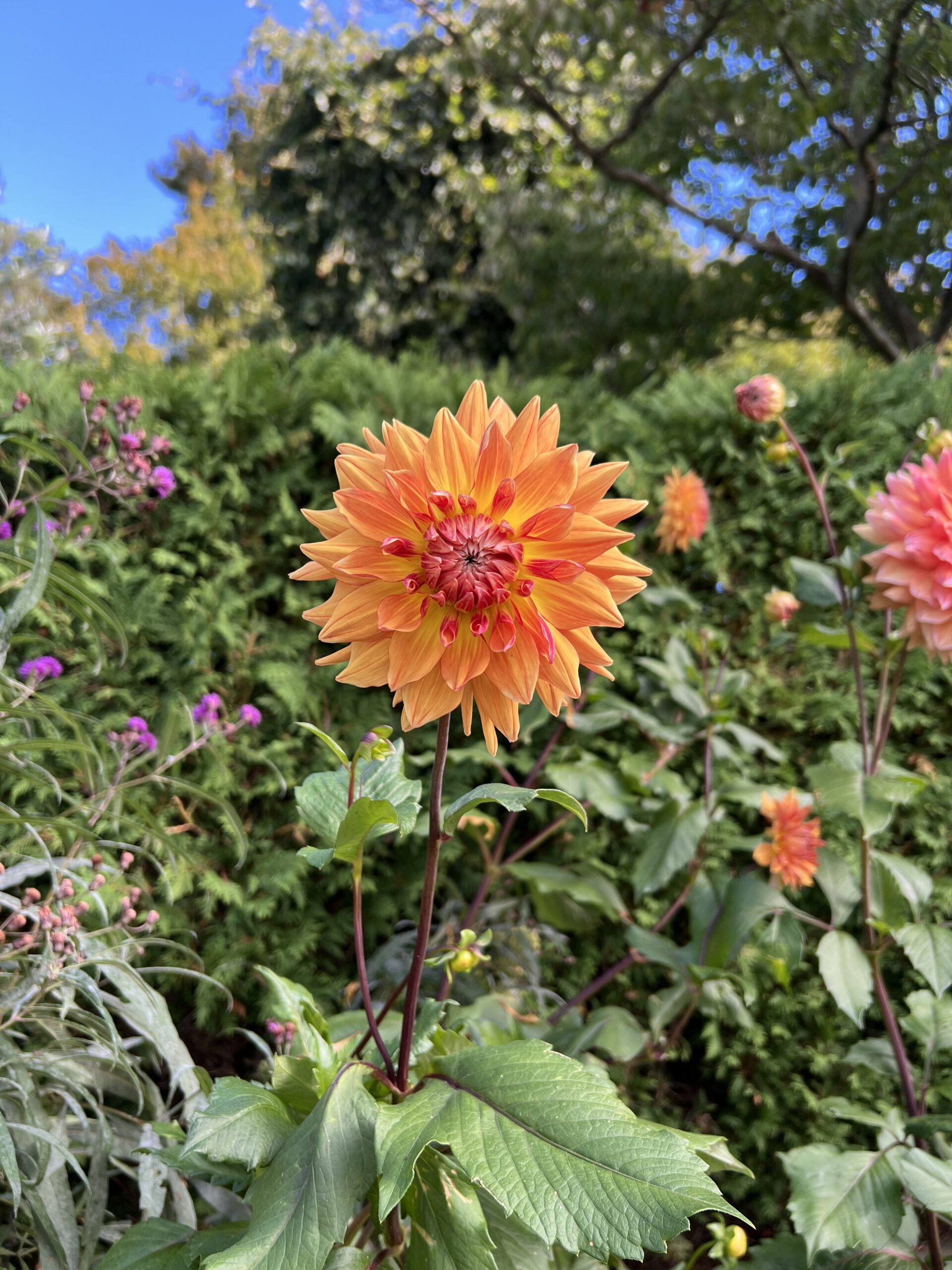
Dahlia ‘Canby Crazy’
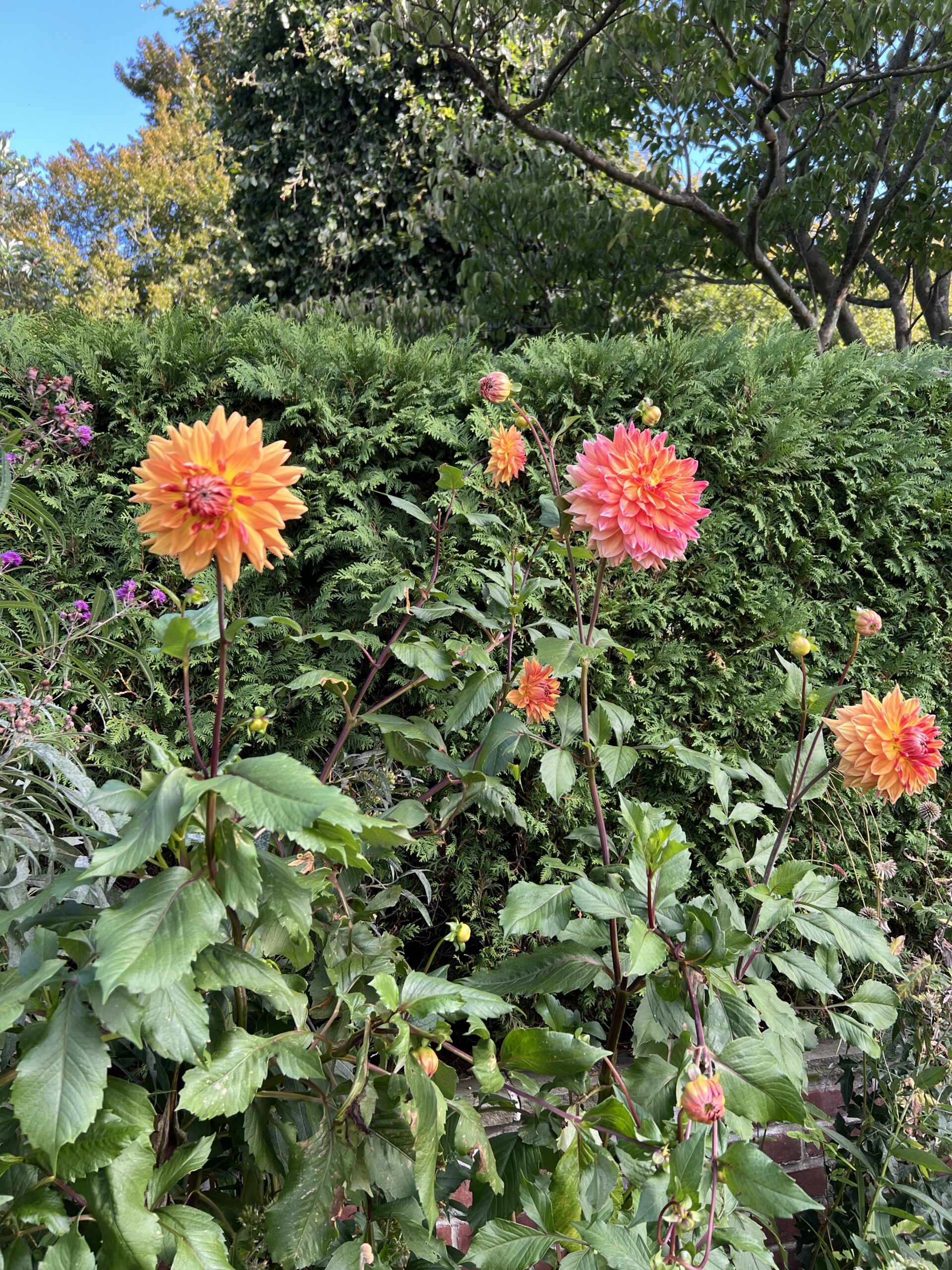
Dahlia ‘Canby Crazy’
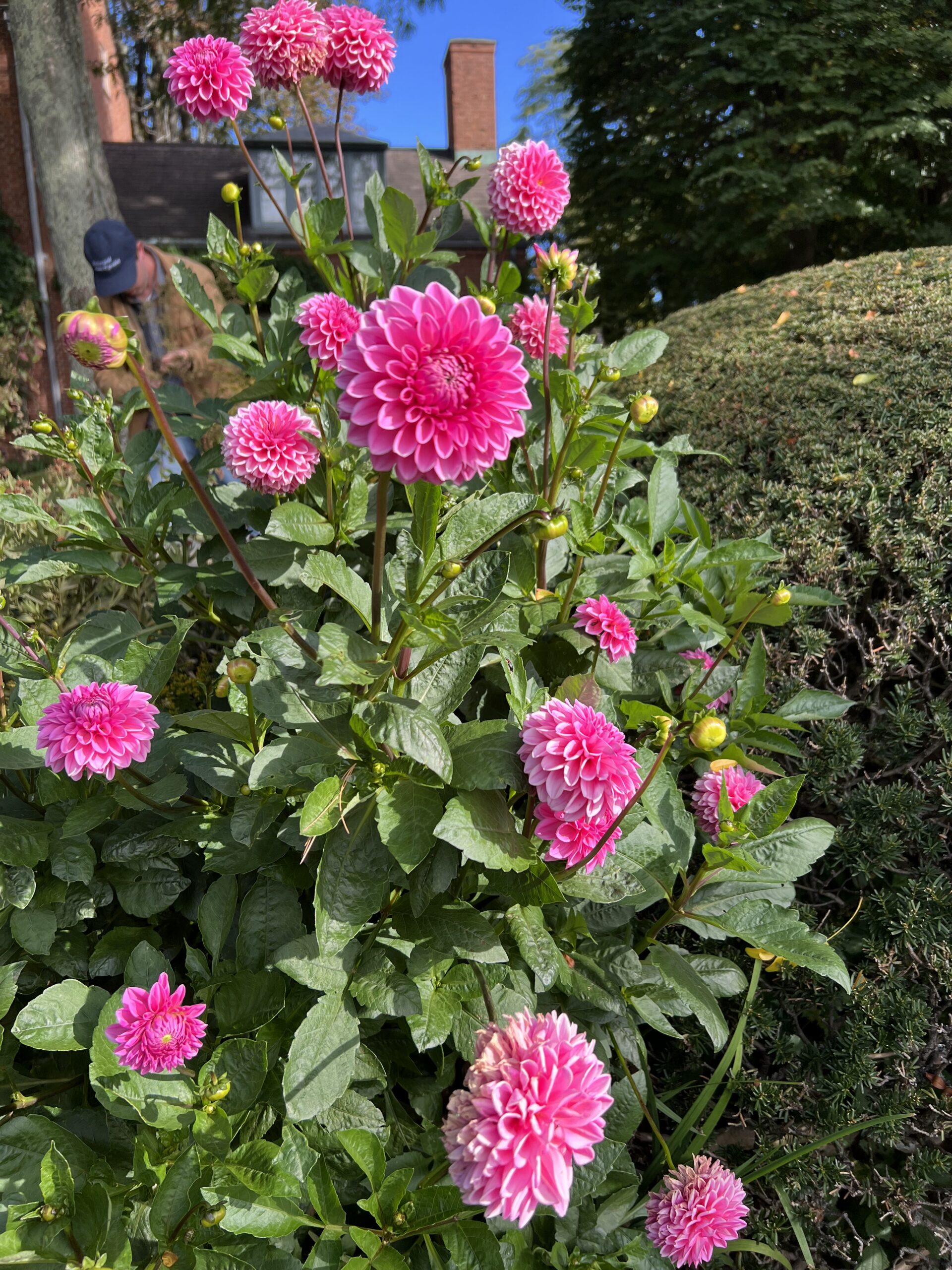
Dahlia ‘Fatima’
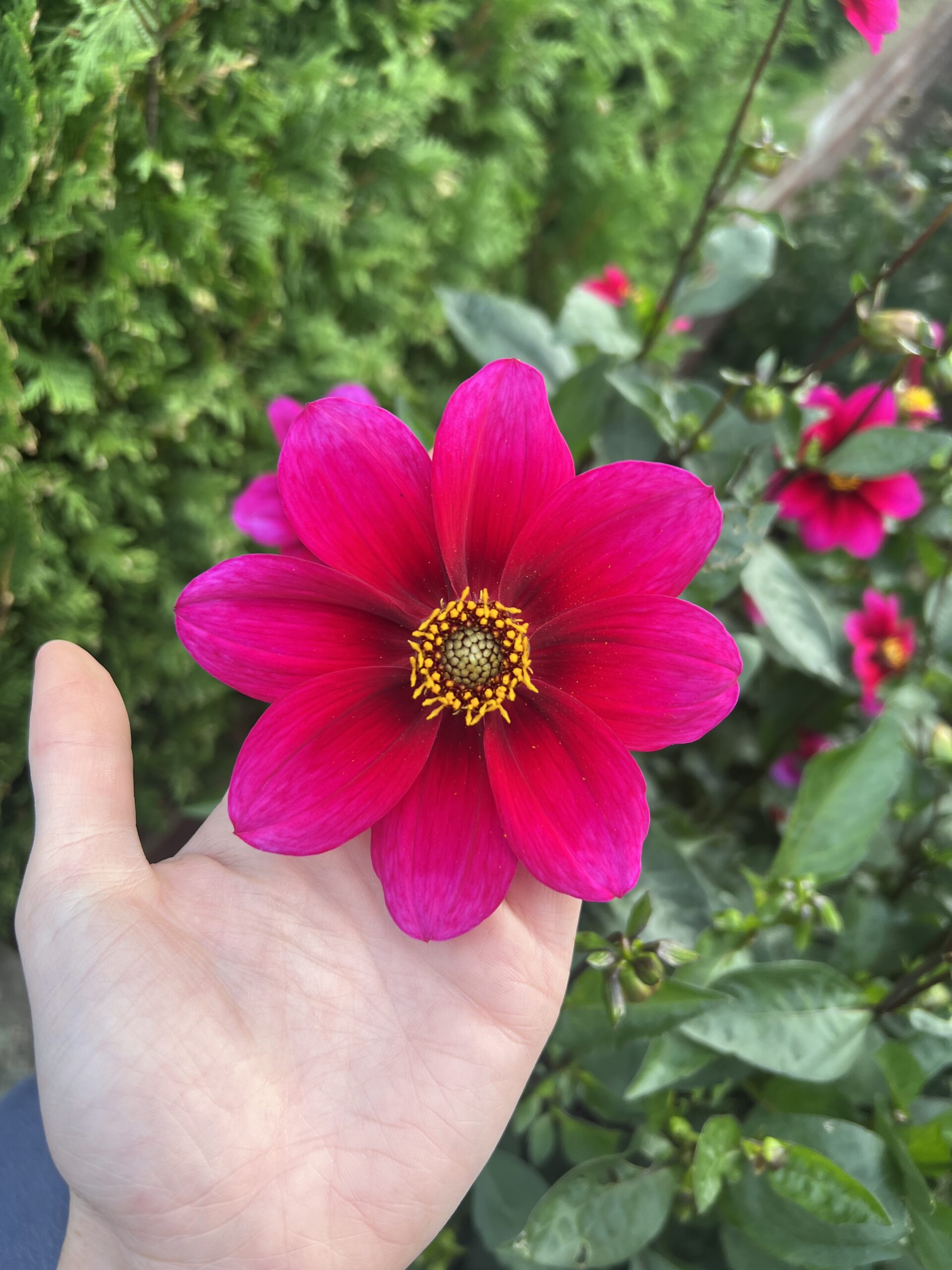
Dahlia ‘Hula’
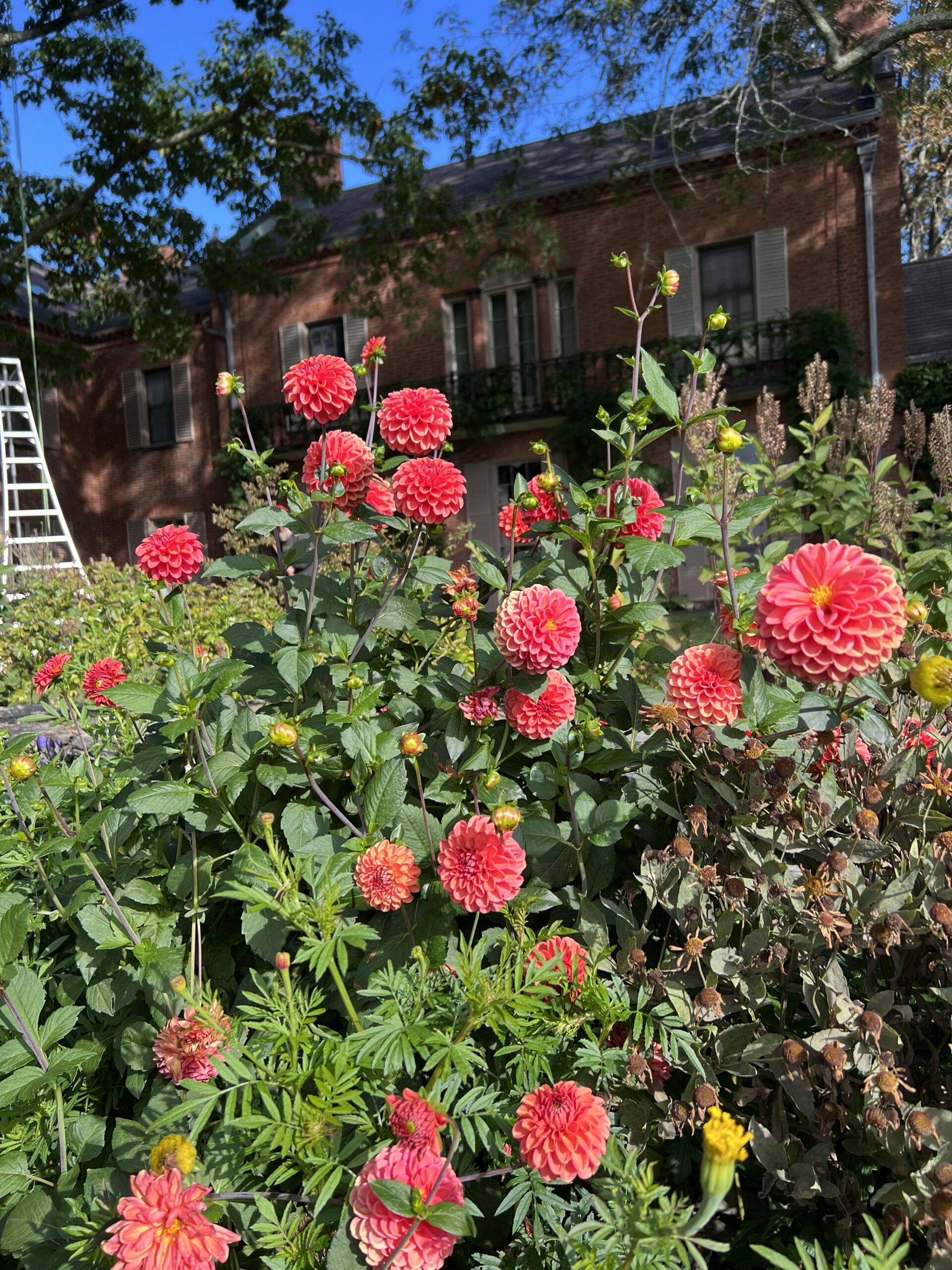
Dahlia ‘Jowey Linda’
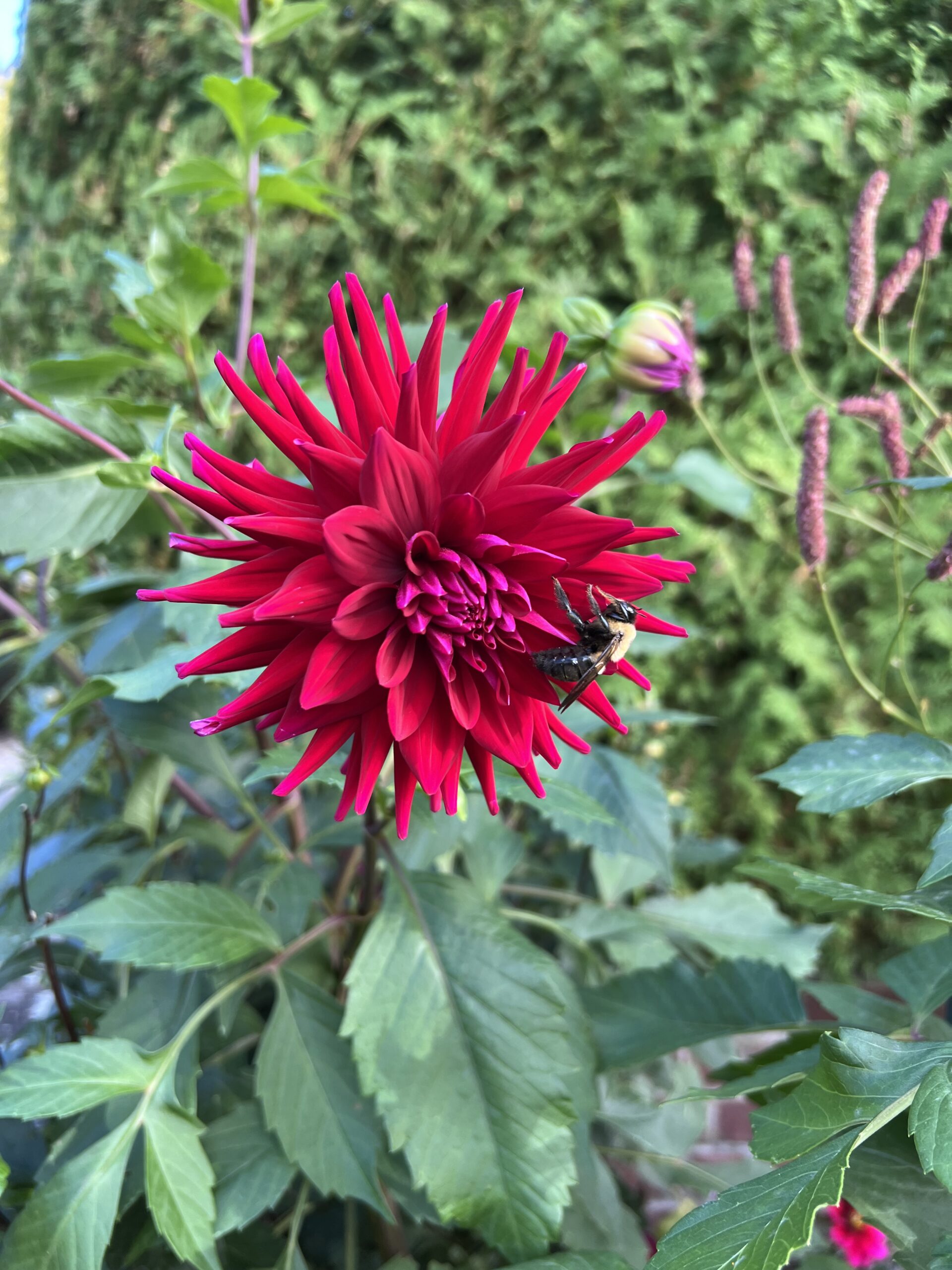
Dahlia ‘Juanita’
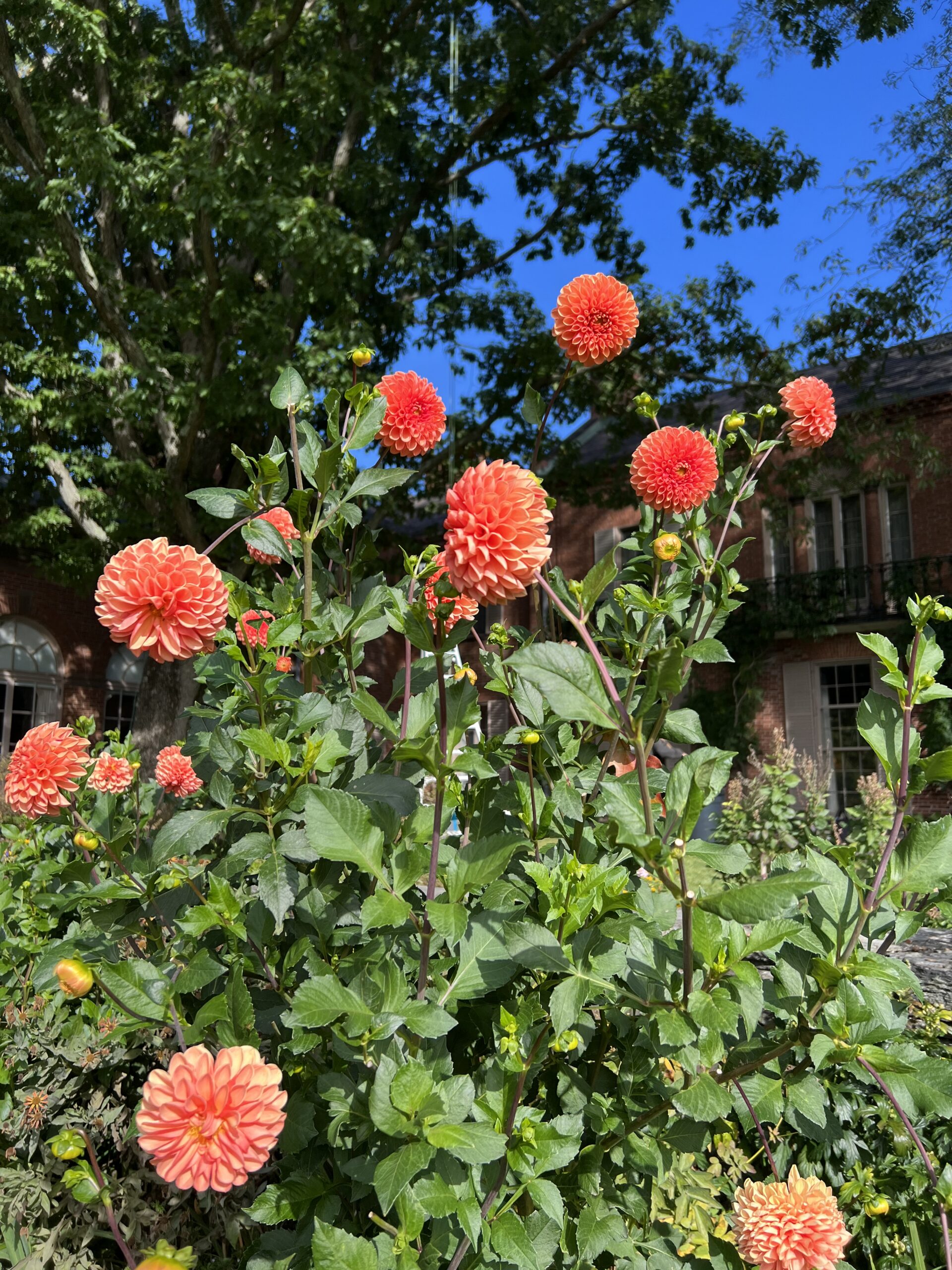
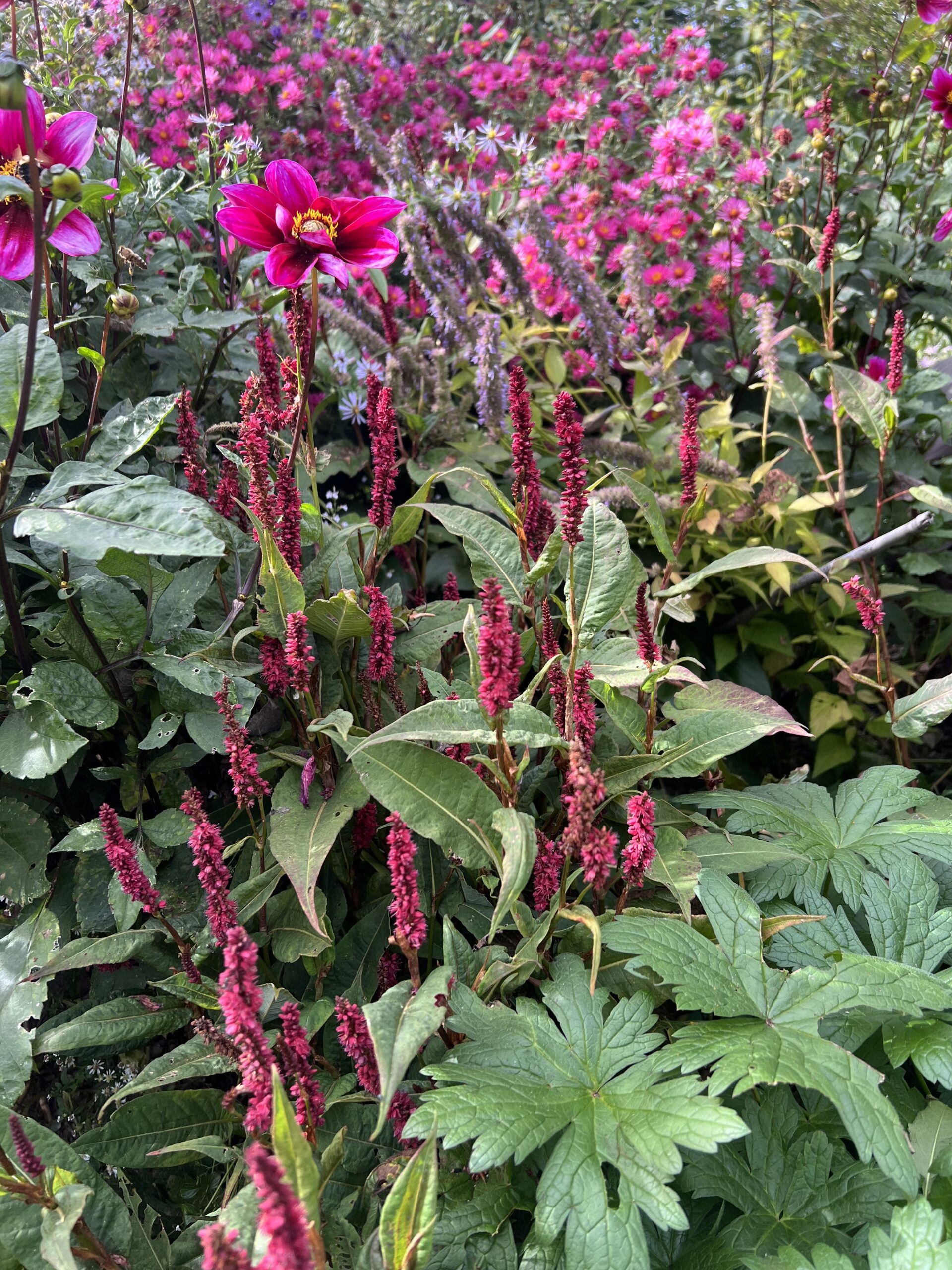
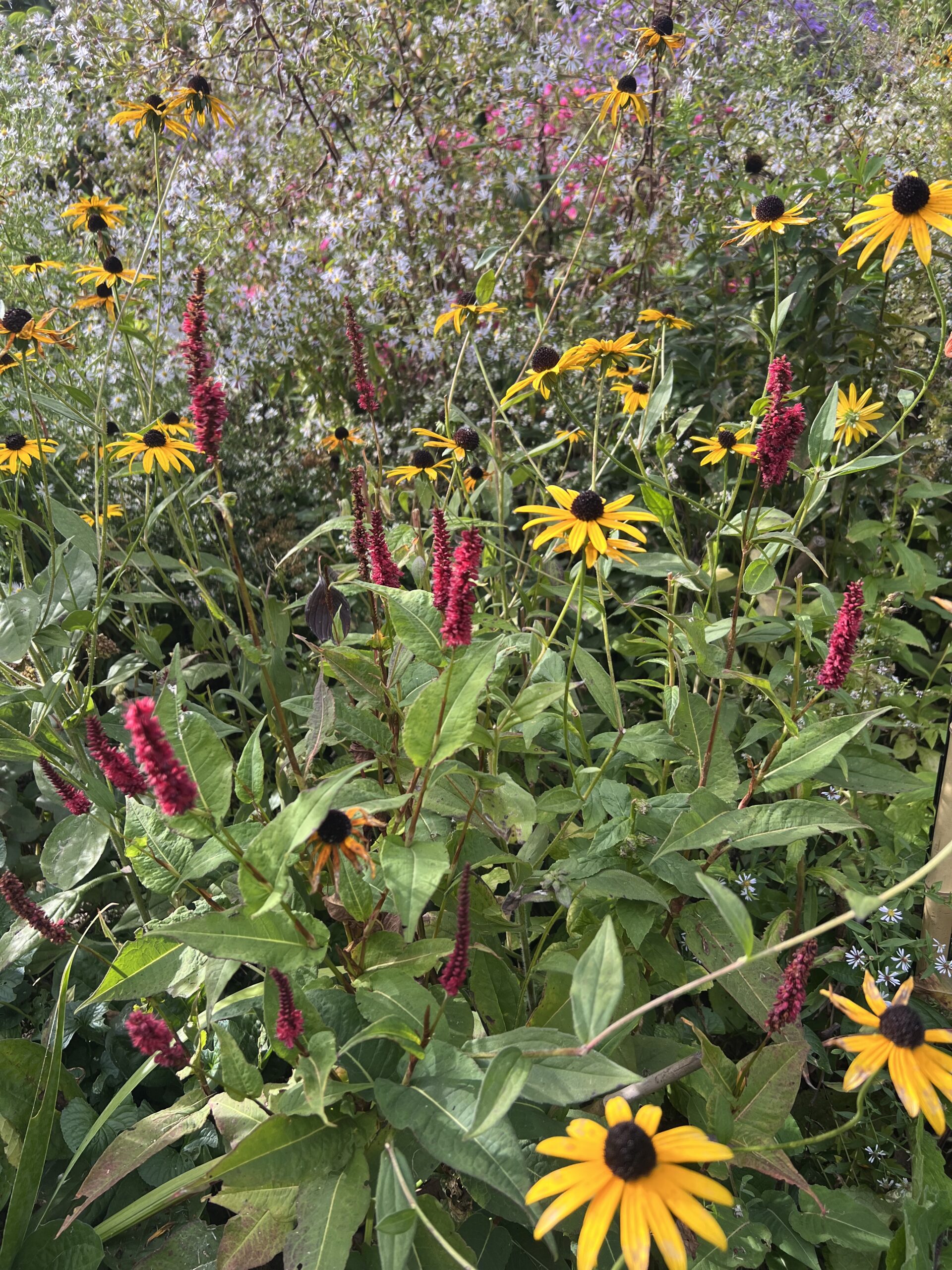
Fleeceflower ‘Blackfield’ & Deam’s Coneflower
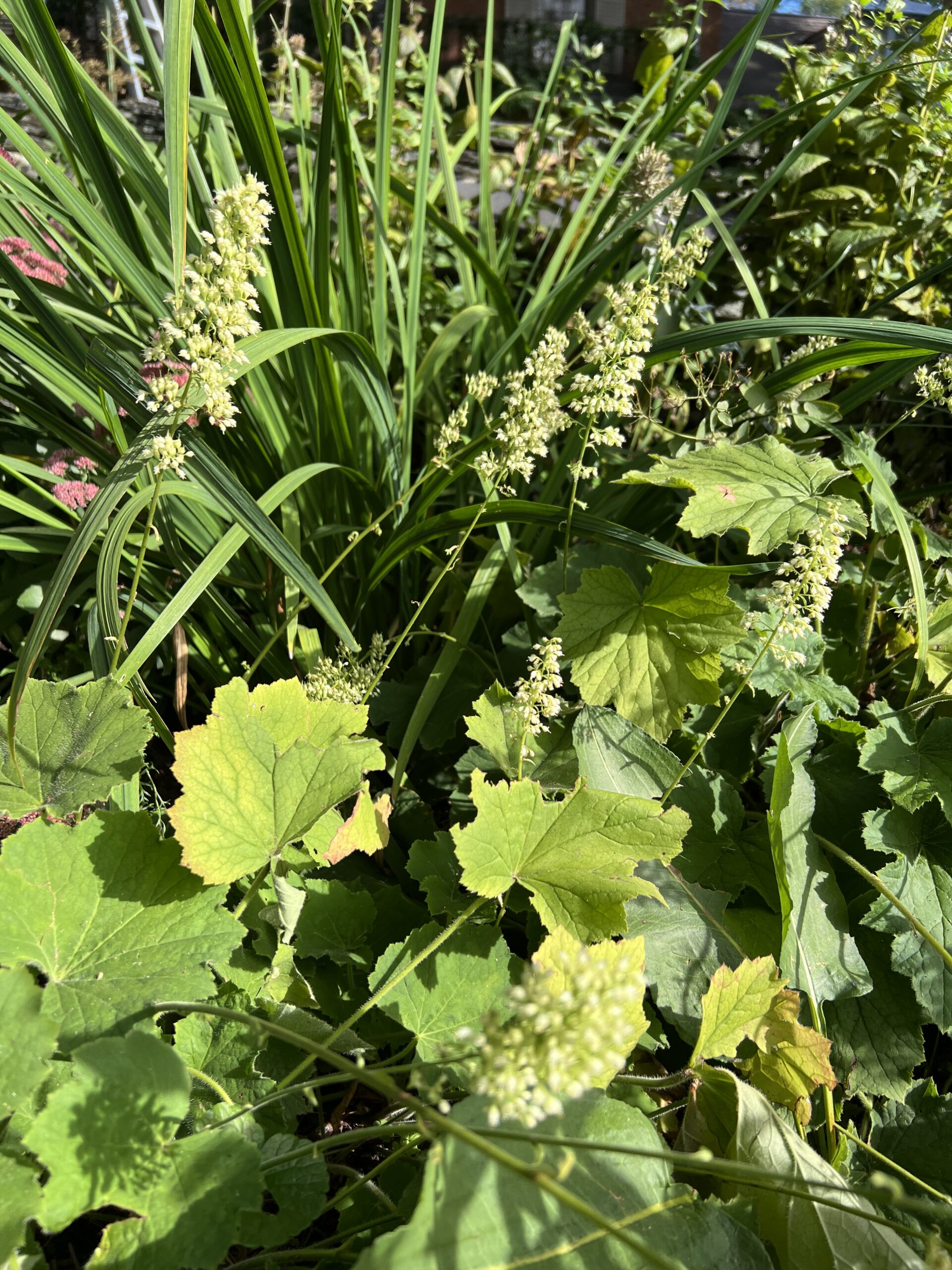
Hairy Alumroot
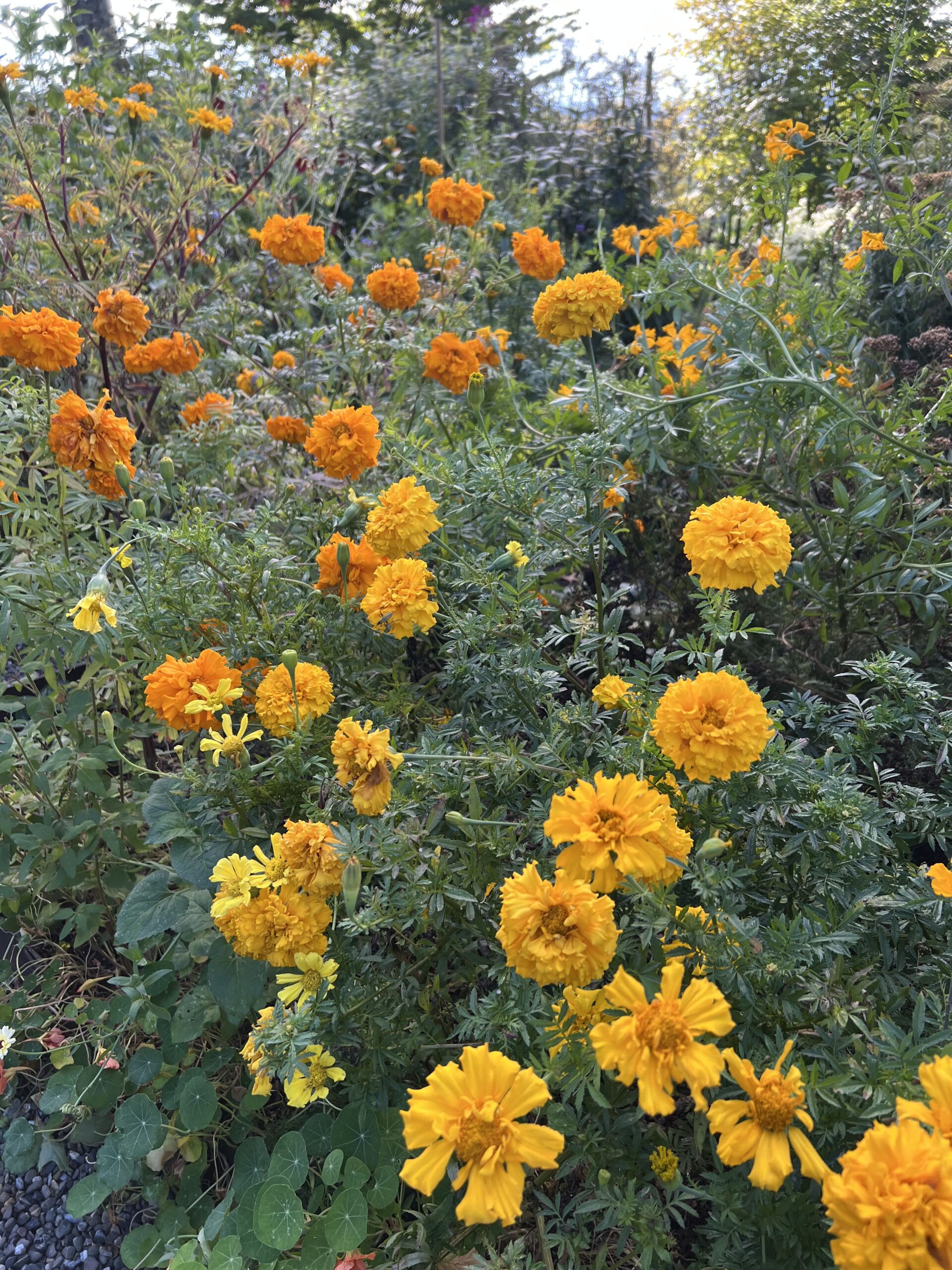
Tall Marigold ‘Crackerjack Mix’
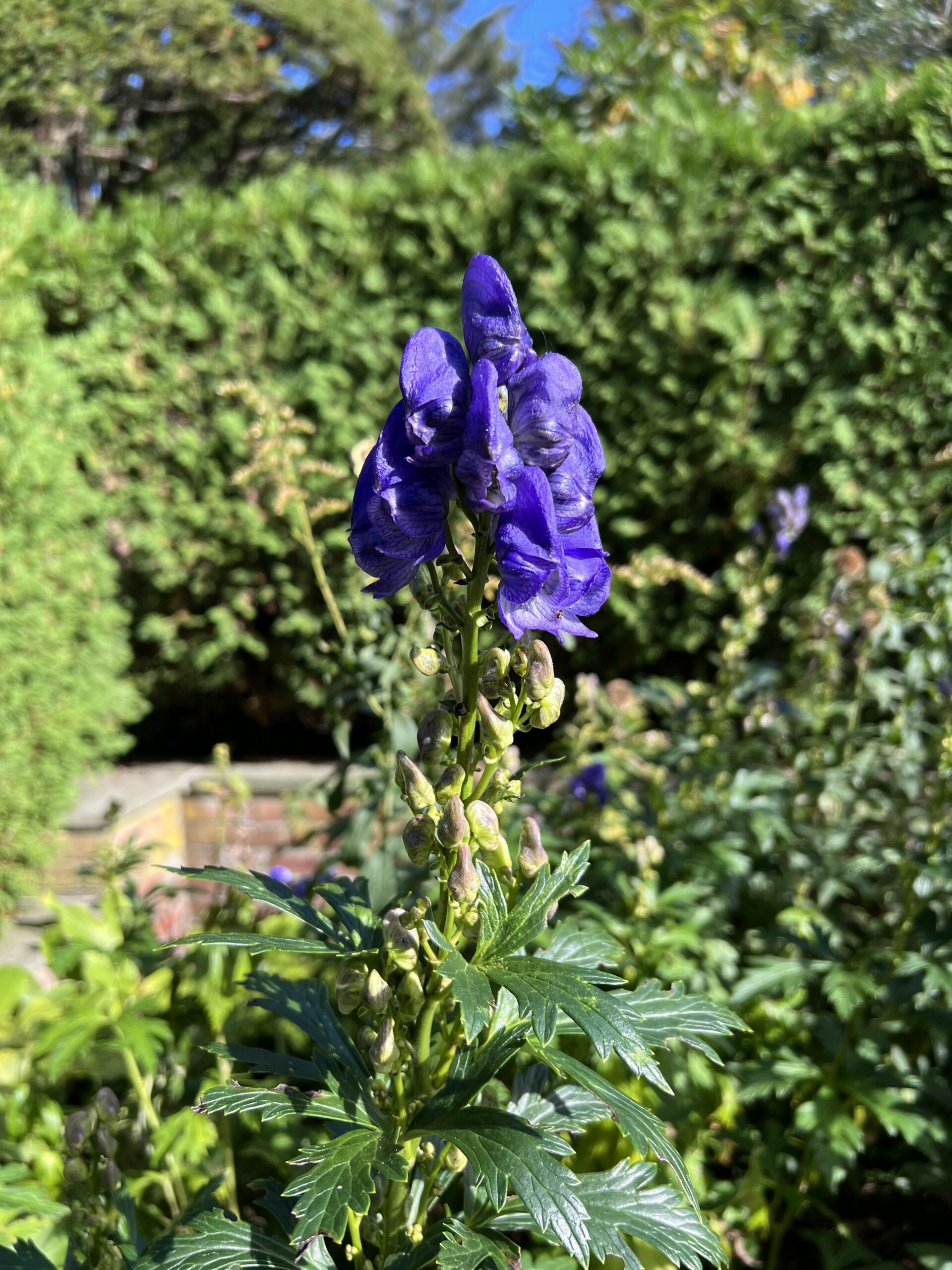
Monkshood
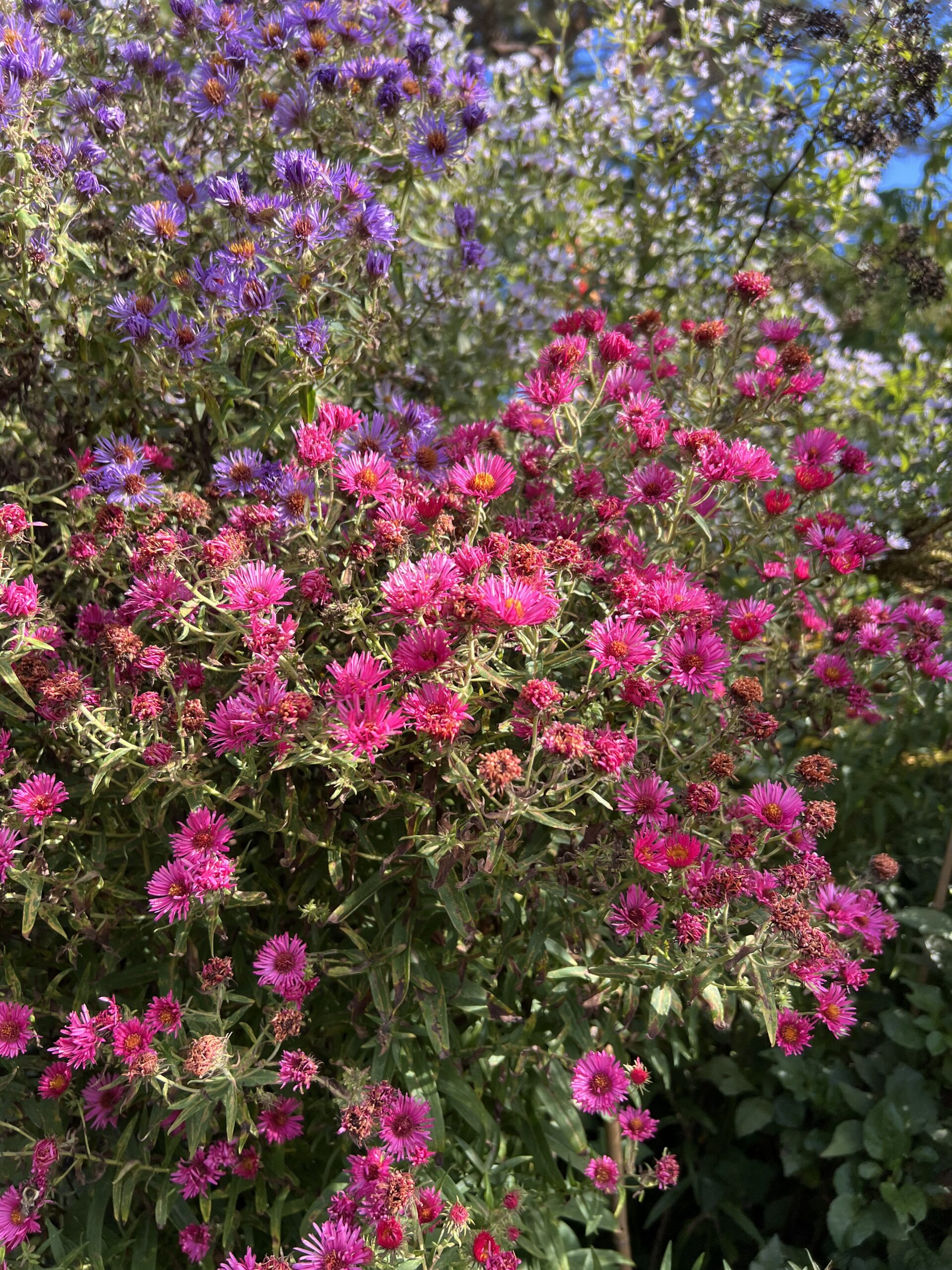
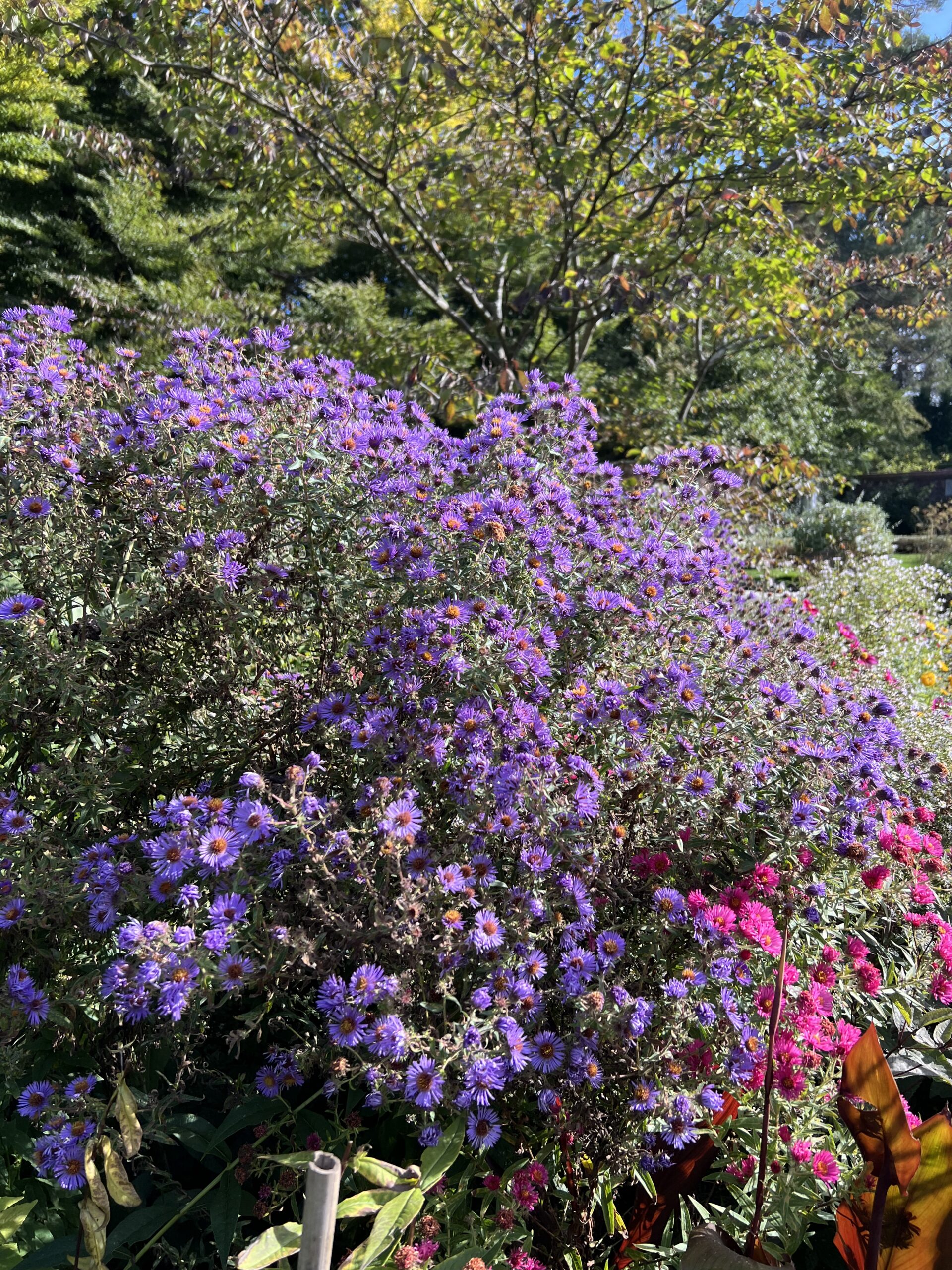
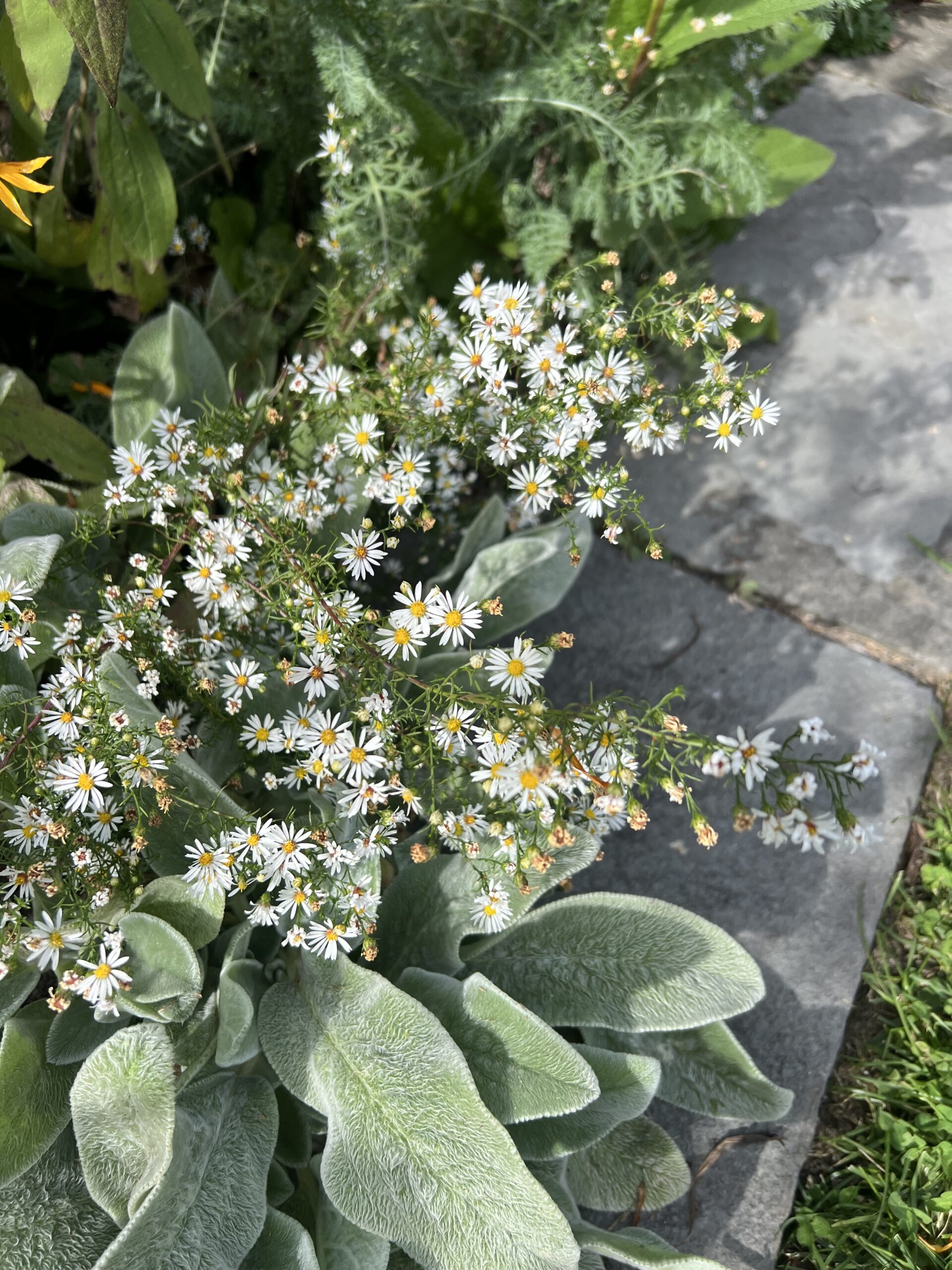
Old Field Aster
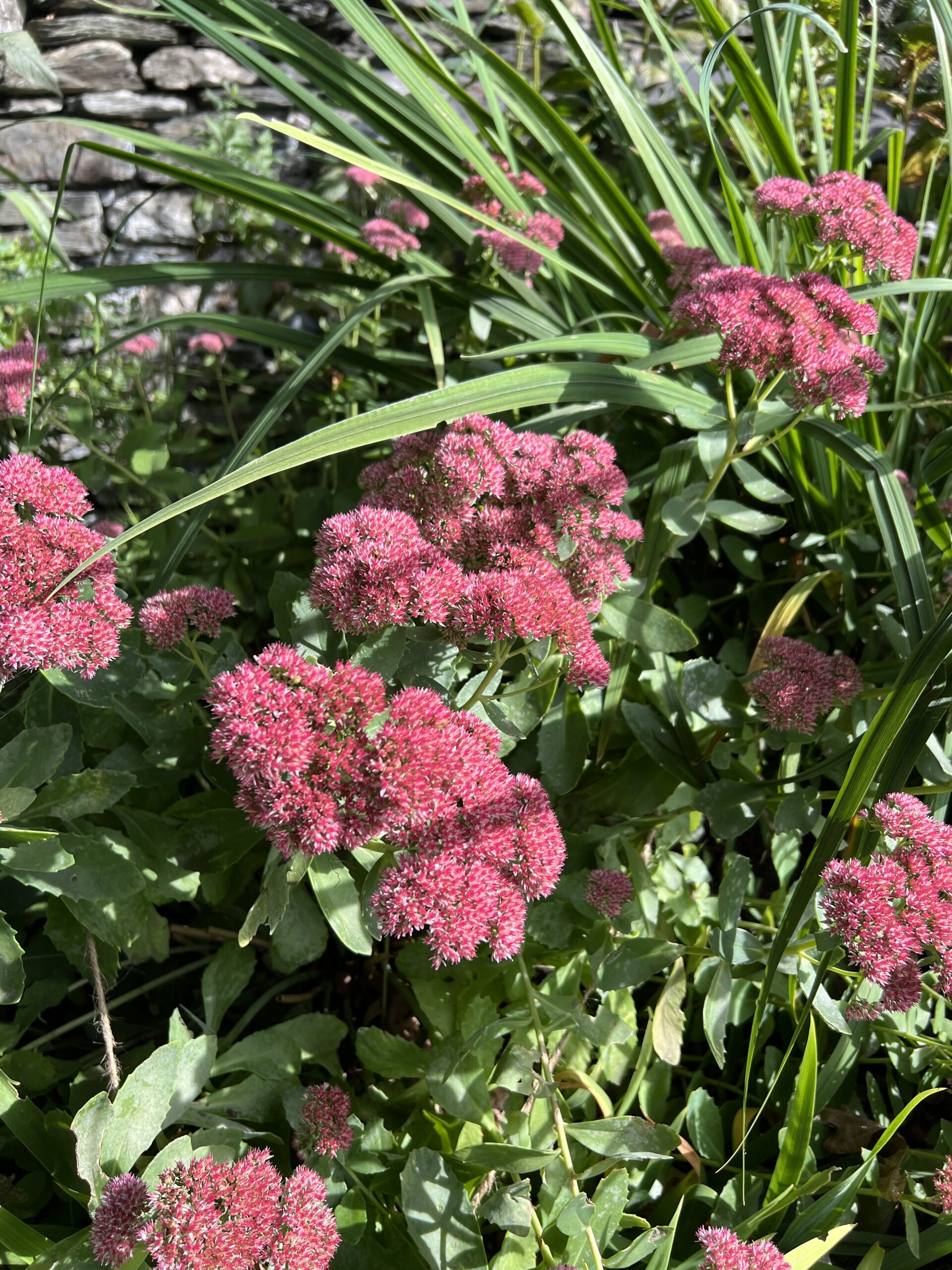
Sedum Autumn Joy
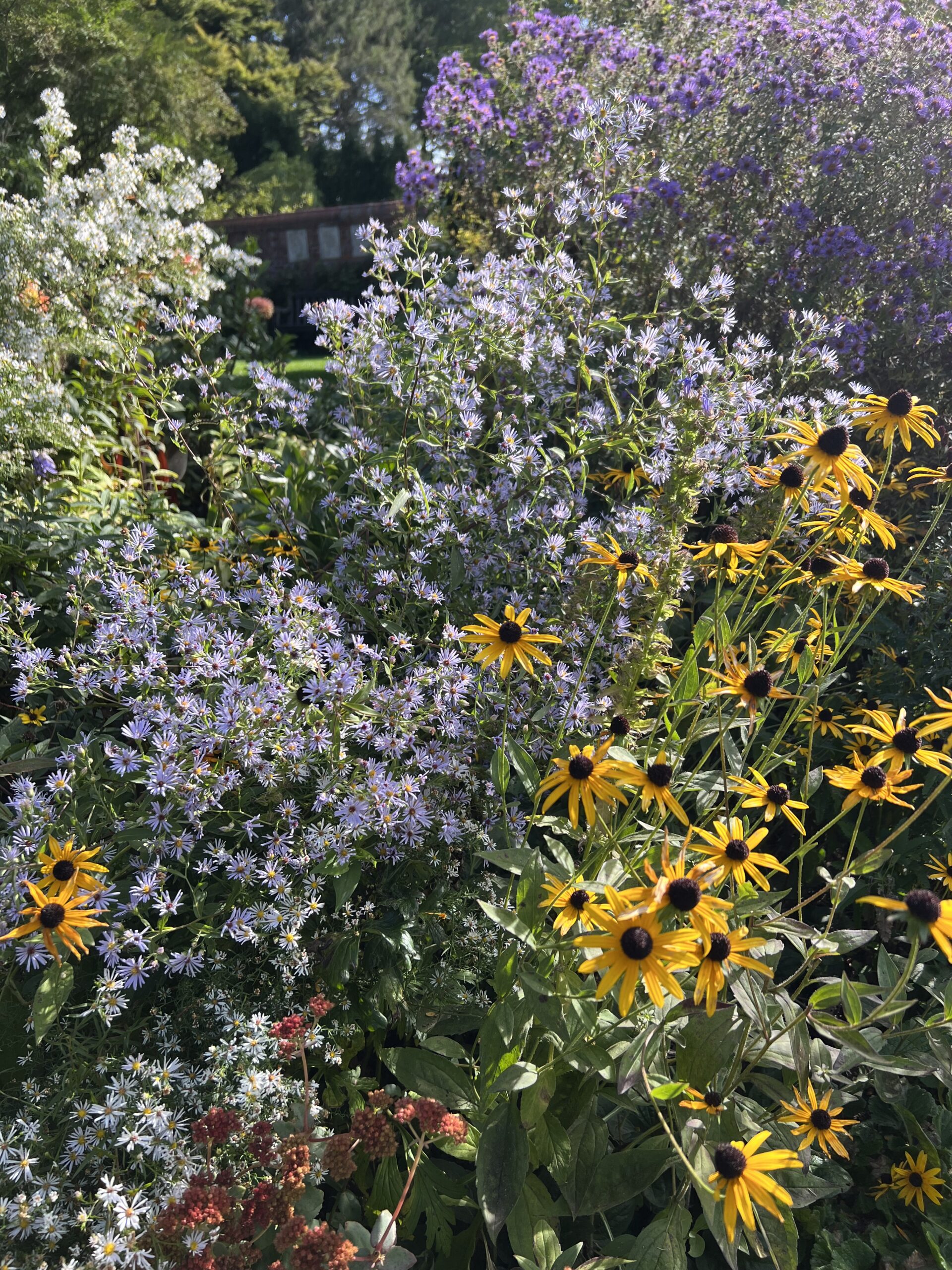
Swamp Aster and Deam’s Coneflower
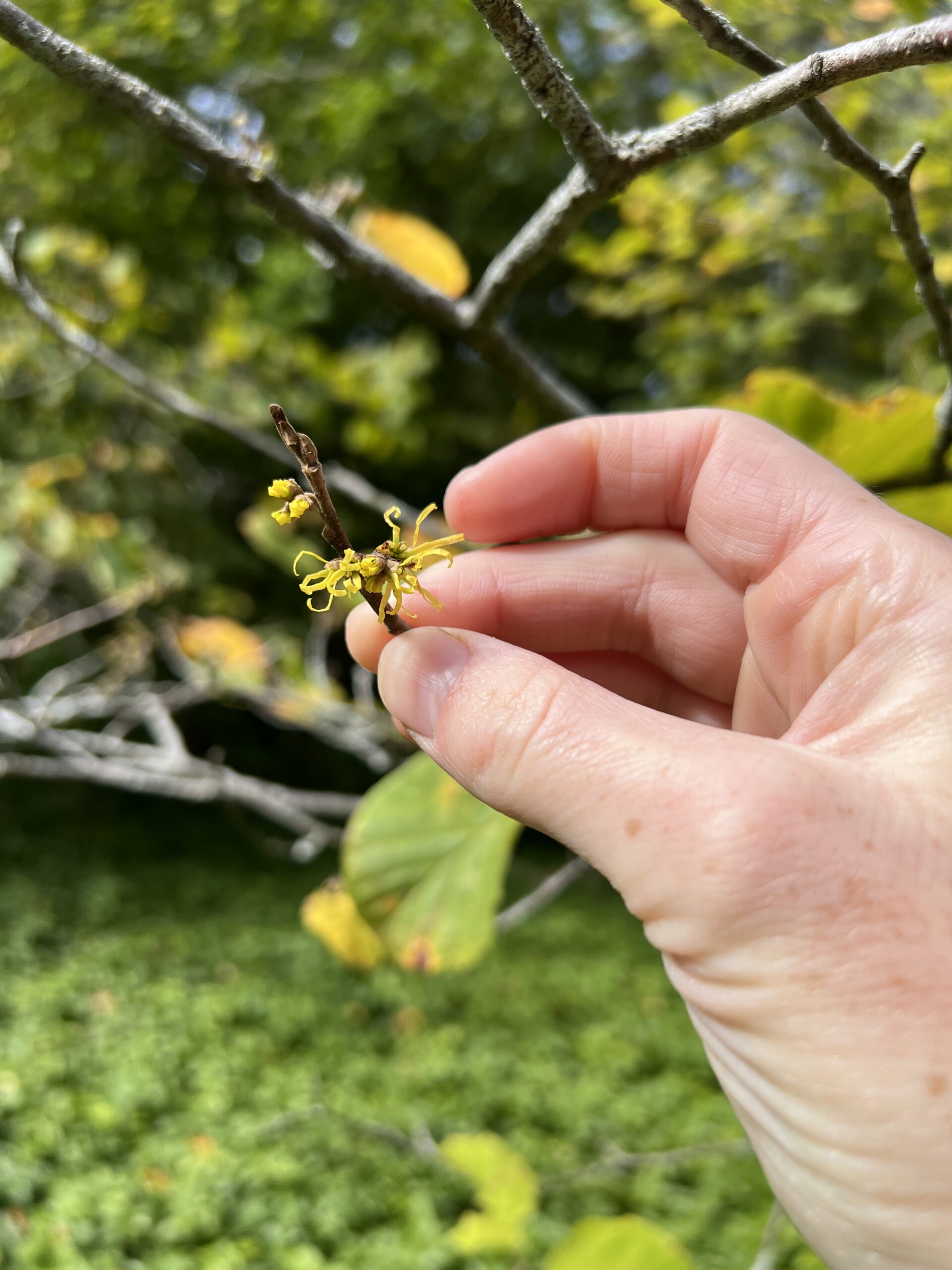
Witch Hazel
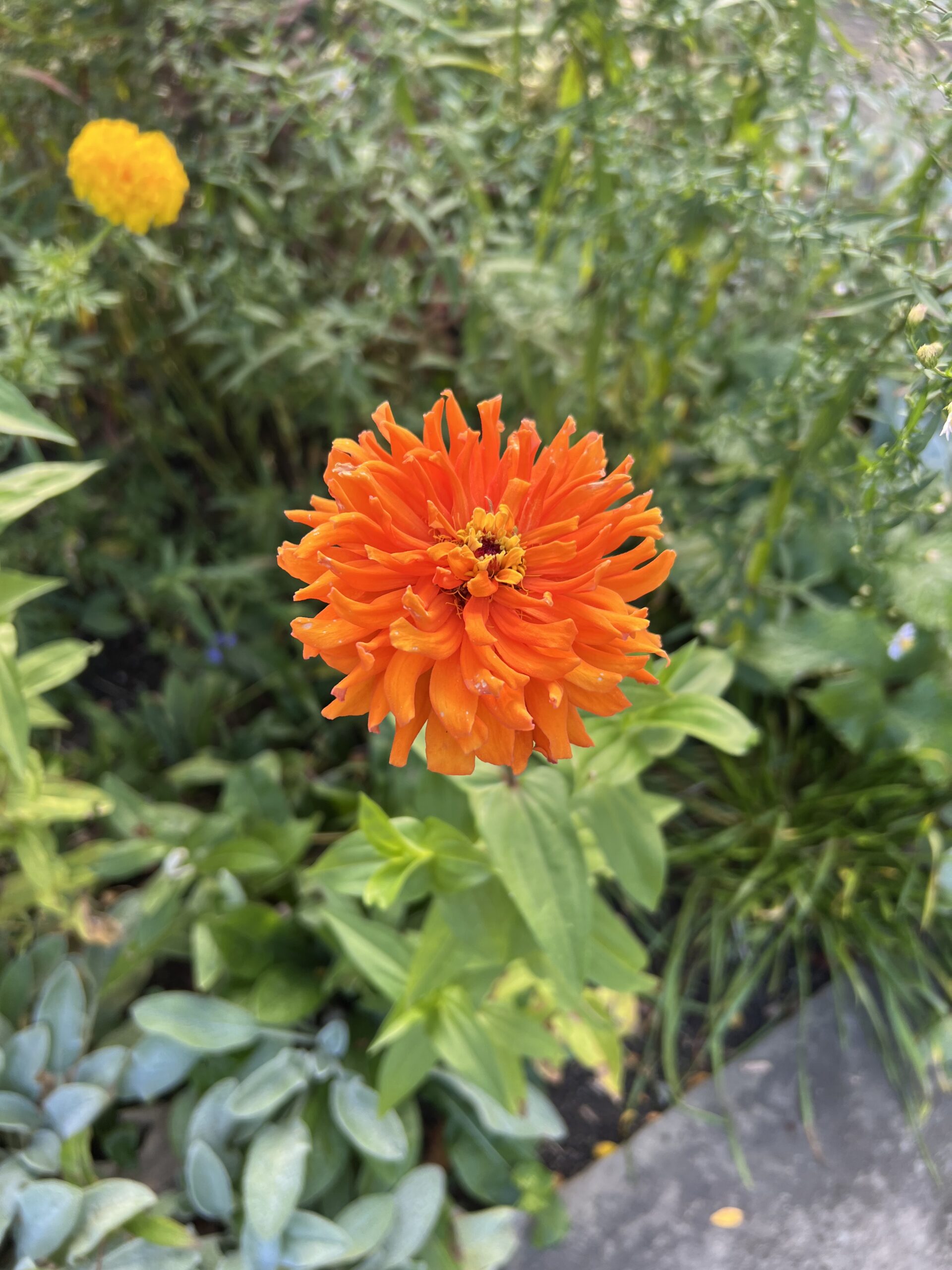
Zinnia Elegans Senorita